
 8531 N. New Braunfels Ave, Suite 100, San Antonio, TX 78217
Call Us for a Free Consultation
 210-535-0870


What to Consider When Setting Up a Do-Not-Resuscitate Order
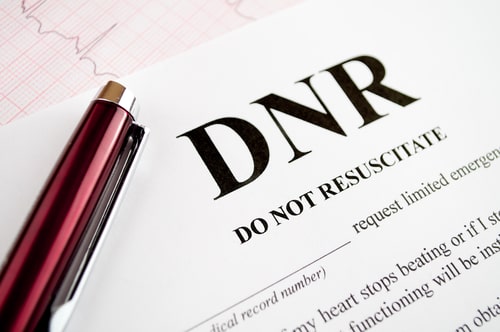 When faced with the possibility of a serious medical emergency, you must consider your wishes regarding life-sustaining treatments. One aspect of this planning process is setting up a Do-Not-Resuscitate (DNR) order.
This legal document instructs healthcare providers not to perform cardiopulmonary resuscitation (CPR) or other life-sustaining measures if your heart stops beating or you stop breathing. While contemplating such a weighty decision can be emotionally challenging, it is a vital step in ensuring that your end-of-life preferences are respected and that you receive care aligned with your values and beliefs.
A San Antonio, Texas lawyer can help you properly create your DNR order. With over two decades of legal experience, Geoff Mayfield, Attorney at Law, is a trusted source of guidance for people across the San Antonio area.
What Is The Purpose of a DNR Order?
A DNR order serves to honor an individual’s preferences regarding end-of-life care. It allows a person to express the desire to forgo invasive medical procedures that may prolong life but not necessarily improve its quality. By establishing a DNR order, individuals can ensure that wishes are respected and receive care that aligns with values and beliefs.
How Should You Discuss a DNR With Family and Healthcare Providers?
One of the most important steps in setting up a DNR order is having an open and honest conversation with your loved ones. While discussing end-of-life care can be emotionally challenging, you should clearly communicate your wishes and reasoning behind the decision. Schedule a time to sit down with your family members, close friends, and healthcare team to express your desires and address any concerns or questions.
During these conversations, be patient and understanding, as some individuals may initially struggle with the concept of a DNR order. Remember, the goal of these discussions is to prevent confusion, disagreements, or unwanted medical interventions during a crisis. By investing time and effort into these conversations now, you can provide peace of mind for yourself and your loved ones, knowing that your wishes will be respected and upheld when it matters most.
Does Your DNR Comply With Texas Law?
In Texas, a DNR order must be signed by the individual or legal representative, such as a medical power of attorney or a legal guardian. A physician must also sign the order, confirming that the individual or representative has made an informed decision. Once the DNR order is signed, it must be included in the individual’s medical record to ensure that healthcare providers are aware of the individual’s wishes. Texas law recognizes two distinct types of DNR orders: an out-of-hospital DNR order and an in-hospital DNR order.
An out-of-hospital DNR order, also known as an Out-of-Hospital Do-Not-Resuscitate (OOH-DNR) order, is a legal document that instructs emergency medical personnel not to perform CPR or other life-sustaining measures in the event of a medical emergency outside of a hospital setting. This type of DNR order is suitable for individuals who wish to avoid resuscitation attempts by emergency responders, such as paramedics or firefighters.
In contrast, an in-hospital DNR order applies specifically to hospital settings and instructs healthcare providers within the hospital not to perform CPR or other treatment if the individual’s heart stops beating or breathing stops. This type of DNR order is appropriate for individuals currently hospitalized or anticipating future hospital stays.
When Should You Review or Update Your DNR Order?
As life circumstances, personal beliefs, and medical conditions evolve, it is essential to periodically review and update your DNR order to ensure that it continues to reflect your current wishes. It is recommended to revisit your DNR order at least once a year or whenever a significant change in your health or personal situation occurs.
During this review process, take the time to reassess your preferences and consider whether any modifications to your DNR order are necessary. Your estate planning lawyer can guide you through the process of reviewing and modifying your DNR order, ensuring that any changes are legally valid and properly documented. The lawyer can also assist you in communicating these updates to relevant parties, such as family members and healthcare providers, to maintain transparency and ensure that everyone remains well-informed about your current end-of-life preferences.
How Can You Properly Communicate a DNR Order?
Once your DNR order is established, inform all relevant parties of its existence and contents. Parties you may wish to inform include:
- Family members
- Close friends
- Your primary care physician
- Specialist doctors
- Healthcare facilities where you receive treatment
- Anyone else involved in your care
Make sure that your DNR order is clearly displayed in your medical records and easily accessible to healthcare professionals. Consider carrying a copy of your DNR order with you at all times, such as in your wallet or purse, and inform your loved ones of its location.
Communicating your DNR order is not a one-time event. Talk with your family, friends, and doctors often so they know about any changes to your wishes. Clear, steady communication gives you peace of mind that your DNR order will be followed when the time comes.
What Other Documents Are Commonly Used Alongside DNR Orders in 2026?
A DNR order works best as one part of a larger set of planning documents. Many Texas families pair a DNR with a few other forms. Each form covers a different need. For instance, a living will explains what care you want if you have a terminal or irreversible condition. It can address treatments like breathing machines and feeding tubes.
A medical power of attorney names a person to make healthcare choices for you. This person steps in when you can no longer speak for yourself. He or she can talk with doctors and make sure your wishes are followed. A HIPAA release can also let doctors share your medical records with the people you choose.
Many people also get an approved DNR bracelet or necklace. Paramedics may not have time to search a home for paperwork. A DNR identification device shows your wishes right away. Keep these documents together in one place. Make copies, and tell your loved ones where to find them.
When Can Healthcare Providers Refuse to Honor a DNR in Texas?
Healthcare providers in Texas must generally honor a valid out-of-hospital DNR order. However, state rules list a few situations where providers will give lifesaving care anyway (Texas Administrative Code, Chapter 157.25).
The first situation involves pregnancy. Providers will not follow a DNR order if they know the patient is pregnant. Instead, they will work to save the patient’s life. The second situation involves unnatural or suspicious circumstances. Emergency workers may arrive and see signs that something is wrong, such as signs of violence or an injury no one can explain. In those cases, they will start resuscitation. They will keep going until a doctor tells them to stop.
Texas providers can accept an out-of-hospital DNR order or device signed in another state. People who move to Texas may still want to sign a Texas form. Emergency workers see the state form often and recognize it quickly.
Contact a San Antonio, TX Estate Planning Attorney
Establishing a Do-Not-Resuscitate order is a significant decision that requires careful consideration and planning. A Bexar County, TX advance directive lawyer can help create your DNR order for your peace of mind. Call Geoff Mayfield, Attorney at Law at 210-535-0870 to start with a free consultation.


8531 N. New Braunfels Ave, Suite 100, San Antonio, TX 78217
210-535-0870